Plumbing Services

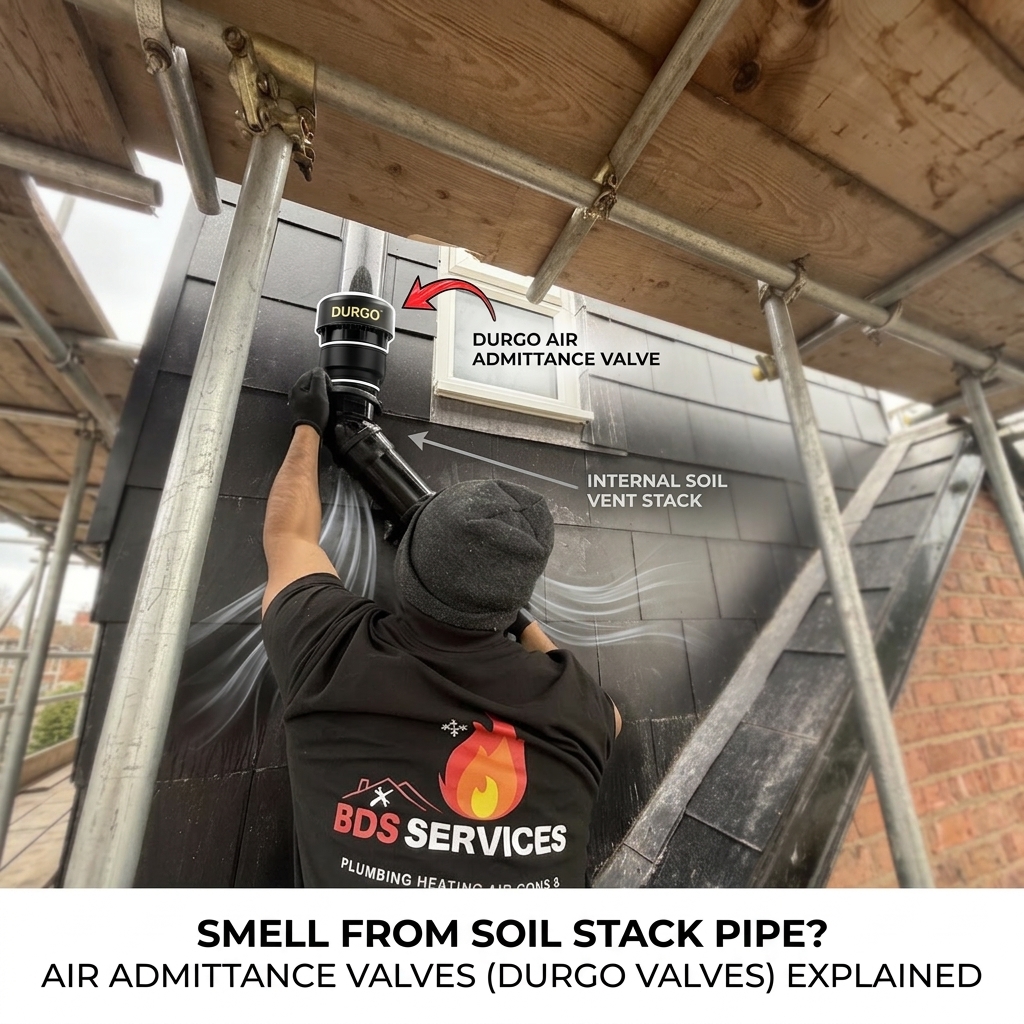
A close-up view of a BDS Services engineer working at height on scaffolding, fitting a specialized black Durgo Air Admittance Valve (AAV) onto a vertical uPVC soil vent pipe stack on a house with grey cladding. The image includes text overlays identifying the components and a title for a blog post about drain smells.

Smell From Soil Stack Pipe? Air Admittance Valves (Durgo Valves) Explained

Have you noticed a foul sewage smell in your bathroom? Alternatively, do you hear loud gurgling from your washbasin when you flush the toilet? Choosing between an air admittance valve vs open vent pipe system is the most effective way to solve drainage noise and odors permanently. Every home drainage network needs constant airflow to function properly. As waste water rushes down a pipe, it creates a strong suction vacuum. Without adequate air intake, this vacuum pulls water straight out of your sink traps. Consequently, foul sewer gas enters your living space. Understanding how an air admittance valve vs open vent pipe layout works helps you protect your home’s hygiene and air quality. Comparing an Air Admittance Valve vs Open Vent Pipe Setup 1. Traditional Open Vent Pipe Systems Historically, plumbers extended soil stacks straight through the roofline. Therefore, the pipe terminates high above the house in open air. The Pros: This open pipe provides two-way airflow naturally. Consequently, it breaks vacuums quickly and releases sewer gas safely outside. The Cons: However, roof penetrations create persistent leak risks. Furthermore, birds often nest inside the exposed top pipe. If your external stack is aging or leaking, explore our guide on replacing cast iron soil pipes with uPVC. 2. Modern Air Admittance Valve (Durgo Valve) Systems An Air Admittance Valve (AAV) is a clever one-way mechanical valve. Plumbers fit this unit directly on top of an internal soil pipe inside the building. Toilet Flushes → Vacuum Formed → Valve Diaphragm Opens → Air Enters Pipe → Vacuum Clears → Valve Closes One-Way Operation: Gravity holds the internal rubber diaphragm shut under normal conditions. Thus, smelly gases stay trapped inside your pipework. When a toilet flush creates suction, the valve opens instantly. As a result, fresh room air enters the pipe and restores balanced pressure. No Roof Holes: Consequently, engineers can install AAVs internally inside bathroom boxing or loft spaces. If you are reconfiguring your suite, check our advice on rerouting soil pipes for a new bathroom layout. Installation Rules for an Air Admittance Valve vs Open Vent Pipe You must follow strict guidelines under UK Building Regulations Document H when choosing an air admittance valve vs open vent pipe setup: Placement Height Rules Specifically, you must install the valve at least 100mm higher than the highest water outlet on the connected sinks or baths. Air Supply Requirements Furthermore, never box an AAV into an airtight void. The valve needs a steady supply of room air via a decorative louvered grille. Main Sewer Venting Rules However, a drainage system cannot rely exclusively on AAVs. Therefore, your property layout must retain at least one open vent stack to manage main public sewer pressure. Diagnosing Faulty Durgo Valves and Drain Odors Over time, internal rubber seals degrade due to grease and debris. As a result, a worn Durgo valve leaks foul sewer gas back into your home. If your sinks gurgle or your bathroom smells bad, BDS Services Ltd can help. Our experienced team can quickly test your waste pipes, clear blockages, and replace worn valves. Call our West Midlands plumbers on 07429776336, book online via our plumbing services page, or reach out directly through our local Birmingham plumber team.

Smell From Soil Stack Pipe? Air Admittance Valves (Durgo Valves) Explained Read Post »
Replacing Cast Iron Soil Pipe with uPVC – BDS Services

Replacing Old Cast Iron Soil Pipes with Plastic/uPVC: What Homeowners Need to Know

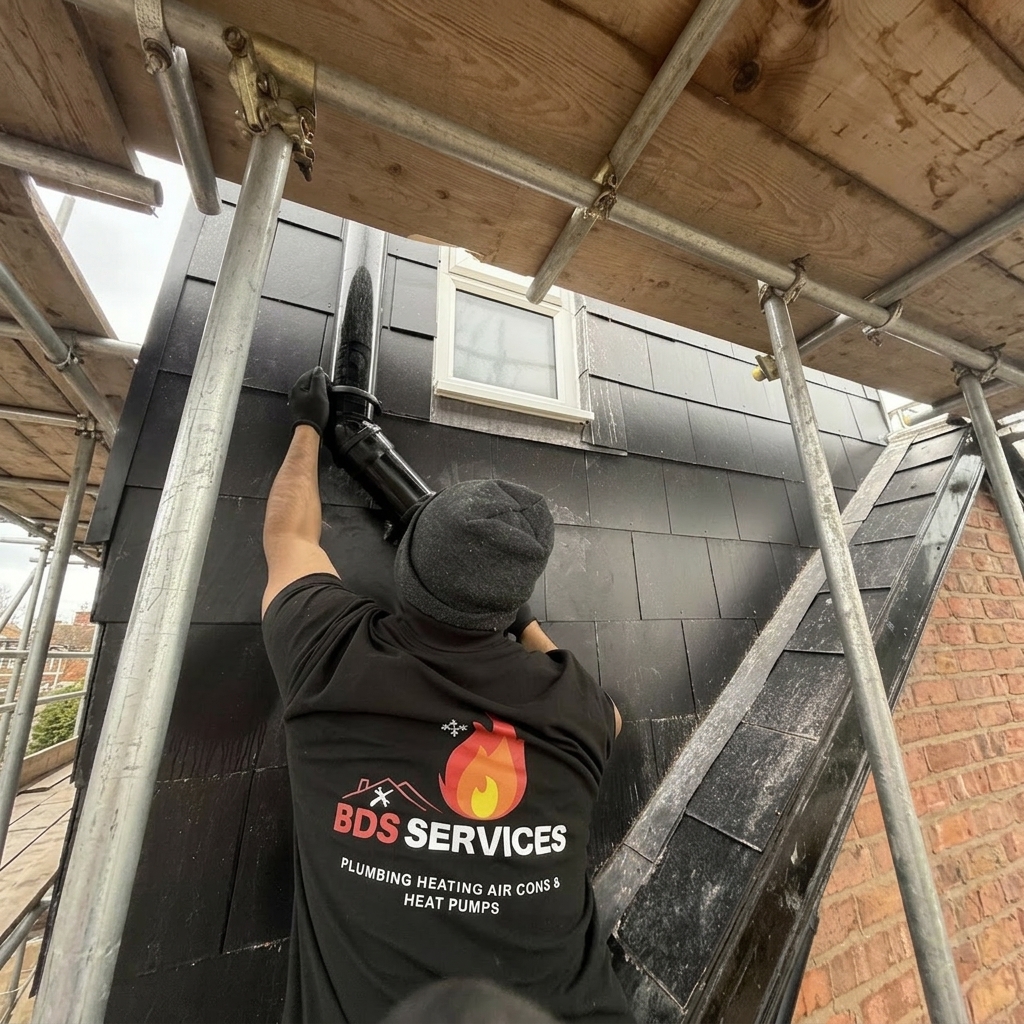
Cast iron soil stack pipes were the gold standard for UK drainage systems throughout the 19th and mid-20th centuries. While exceptionally durable, age, constant exposure to wastewater, and external weathering eventually take their toll. Cast iron scales internally, snags debris, and rusts from the inside out—often causing hairline cracks, persistent dampness, or foul drainage leaks along your property’s exterior walls. Upgrading to a modern 110mm uPVC soil stack system restores full hydraulic flow, eliminates rust, and reduces future maintenance. However, replacing cast iron soil pipes with uPVC involves heavy structural loads and precise technical execution. Technical Challenges of Cast Iron Removal 1. Structural Weight and Anchoring Cast iron is extremely heavy. A full 3-story external cast iron stack can weigh hundreds of kilograms. Plastic uPVC pipe, by contrast, is flexible and lightweight. The Risk: If you cut into a cast iron stack without supporting the weight above it, the remaining upper section will collapse downward under gravity, shattering roof slates or causing severe injury. The Solution: Professional plumbers install heavy-duty steel pipe clamps and structural wall brackets above and below every planned cut point before making a single incision. Step-by-Step Installation Process Step 1: Safe Sectional Cutting Using angle grinders or specialized hydraulic snap-cutters, engineers remove the degraded cast iron section by section. Working at height requires secure scaffold towers or MEWP access to handle the heavy metal safely. Step 2: Selecting the Correct Transition Couplings Connecting new 110mm uPVC pipe to surviving cast iron or underground clay drainage requires specialized fittings. Standard push-fit connectors will not form an airtight or watertight seal due to differences in outside pipe diameters. Joint Type Application Key Specification Flexible Elastomeric Couplings Cast Iron to uPVC Stainless steel shear bands with EPDM rubber sleeves Adaptor Bush Connectors Spigot to Socket Joints Solvent-weld or push-fit chemical-resistant seals Step 3: Setting Thermal Expansion and Gradient Plastic pipes expand and contract with temperature fluctuations from hot washing machines and bath discharges. Expansion Gaps: Every push-fit socket on a uPVC stack must be pulled back 10mm after full insertion to allow for thermal movement. Support Spacing: Vertical 110mm uPVC pipework requires pipe clips anchored to the masonry wall at maximum 2.0-meter intervals to prevent bowing. Professional Soil Stack Upgrades in the West Midlands Replacing a cast iron soil stack requires expert structural anchoring, precise pipe sizing, and full compliance with UK Building Regulations Part H (Drainage and Waste Disposal). BDS Services Ltd delivers fast, fully compliant drainage and pipework upgrades across Birmingham and the West Midlands. Call our team today on 07429776336 or book a site visit online via our plumbing services page.

Replacing Old Cast Iron Soil Pipes with Plastic/uPVC: What Homeowners Need to Know Read Post »

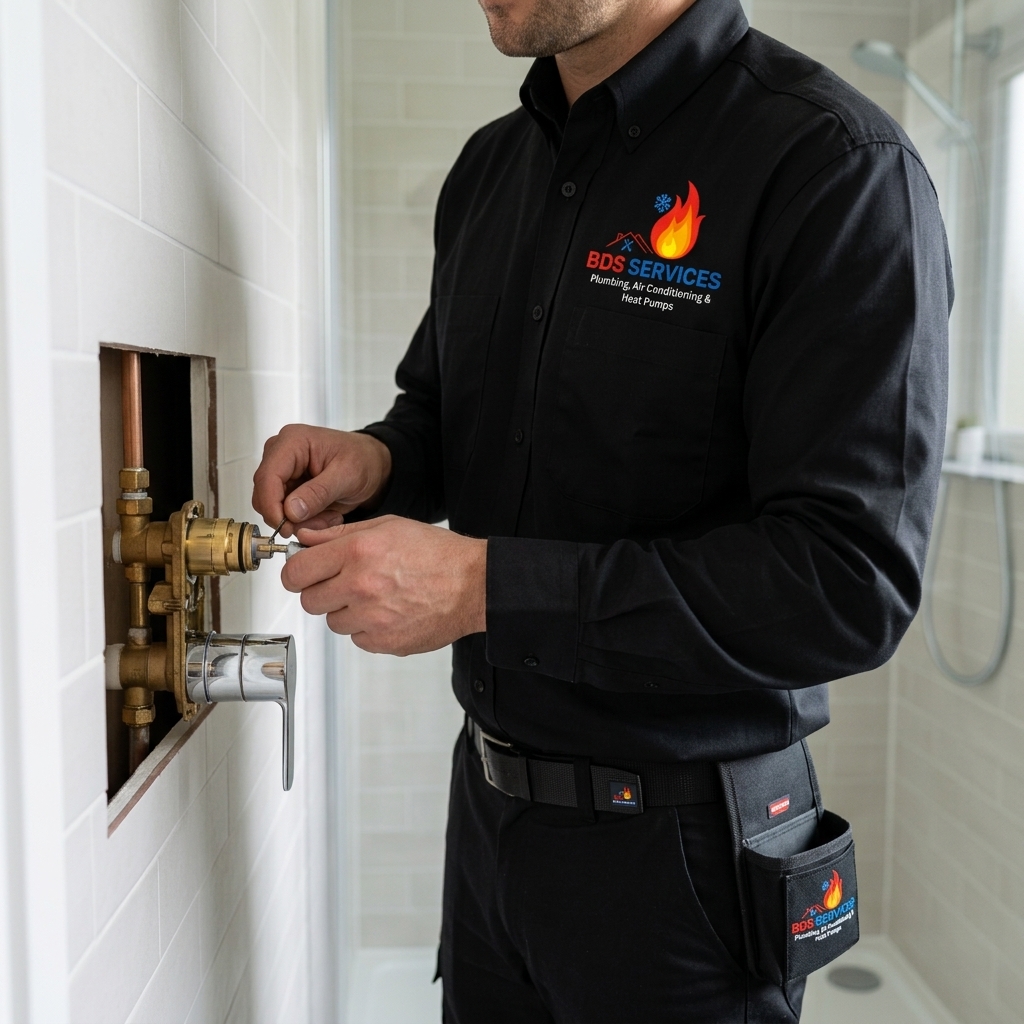
A BDS Services plumbing specialist repairing the exposed cartridge of a thermostatic mixer shower valve in a West Midlands bathroom.

Why Is My Thermostatic Shower Not Working? (7 Common Causes & How to Fix Them)

Stepping into the shower expecting warm water only to get freezing cold—or scalding hot—is very frustrating. If your thermostatic shower valve stops regulating temperature, drops in pressure, or drips constantly, you are not alone. Thermostatic mixing valves blend hot and cold water to a precise temperature. When one part breaks, the whole system fails. This guide explains why your thermostatic shower is failing and how you can fix it. How a Thermostatic Shower Valve Works Inside every thermostatic shower valve sits a small part called a thermostatic cartridge. This cartridge contains a wax element. The wax expands and contracts based on incoming water temperatures. It constantly adjusts the mix of hot and cold water entering the valve chamber. This mechanism keeps your outlet water temperature steady, even if someone flushes a toilet downstairs. When mineral buildup or worn parts disrupt this balance, your shower stops working properly. Top Reasons Your Thermostatic Shower Isn’t Working 1. Limescale-Clogged Thermostatic Cartridge The Symptom: Water stays cold, remains lukewarm, or changes temperature suddenly. The Cause: Hard water deposits calcium and magnesium inside the cartridge over time. This limescale blocks the internal wax element from moving freely. The Fix: Remove the thermostatic cartridge and soak it in a descaling solution. Replace the cartridge entirely if the scale damage is severe. 2. Blocked In-Line Mesh Filters The Symptom: You experience weak water flow even though pressure is normal elsewhere in the house. The Cause: Small mesh filters sit at the hot and cold water inlets. These filters catch pipe debris, solder flux, and limescale before dirt reaches the valve. Over time, trapped debris blocks the water flow. The Fix: Turn off your water supply. Isolate the shower valve, remove the filters, and clear out the trapped debris. 3. Imbalanced Water Pressures The Symptom: Temperature fluctuates wildly whenever someone uses another tap. The Cause: Thermostatic valves need balanced hot and cold water pressures. A high-pressure mains cold supply will easily overpower a low-pressure gravity hot supply. The Fix: Fit a pressure-reducing valve on the high-pressure cold line. Alternatively, install a dedicated shower booster pump on low-pressure hot lines. 4. Reversed Hot and Cold Supply Pipes The Symptom: The shower runs boiling hot on the cold setting and freezing cold on the hot setting. The Cause: Installers must connect the hot supply to the left and cold to the right. If a plumber swapped these pipes during installation, the valve cannot regulate heat. The Fix: Reroute the pipework behind the wall or install a special reverse-cartridge if your manufacturer makes one. 5. Boiler or Water Heater Failure The Symptom: Cold water comes out of every tap in the house. The Cause: The issue lies within your boiler, heat pump, or hot water cylinder rather than the shower valve itself. The Fix: Check your boiler pressure gauge and inspect error codes. You can also read our guide on common household plumbing problems in the West Midlands to diagnose central heating issues. 6. Trapped Air in the Pipework (Airlock) The Symptom: No water comes out of the shower head after recent plumbing work. The Cause: Air bubbles get trapped inside the supply pipes after someone drains the system. These air pockets block water from reaching the valve. The Fix: Force the air out by flushing mains water pressure through the line using a hose pipe connection. 7. Temperature Stop Ring Engagement The Symptom: The water feels warm, but it never reaches a comfortable hot temperature. The Cause: Modern shower valves include a safety stop ring. This ring prevents accidental scalding. If the stop ring shifts, it caps maximum heat too early. The Fix: Take off the temperature handle. Reset the calibration ring using your manufacturer instructions, then refit the handle. How to Troubleshoot Your Shower Step-by-Step Follow these quick diagnostic steps before buying replacement parts: Test Other Taps: Run the hot tap at your bathroom sink. If hot water fails everywhere, your boiler needs attention. Check System Pressure Requirements: Make sure your system meets the bar pressure required by your shower model. Check official UK water supply standards directly through the Water Regulations Advisory Scheme (WRAS). Clean the Showerhead: Unscrew your showerhead and clear away scale. A clogged showerhead creates back-pressure that forces the valve to shut down. Inspect Check Valves: Defective non-return valves allow hot water to cross into cold pipes. Replace worn check valves to fix cross-flow issues. When to Call a Professional Plumber Cleaning a showerhead is a simple DIY job, but taking apart hidden shower valves is complex. You must isolate main water supplies, handle fragile brass parts, and test water pressures correctly. Forcing a stuck cartridge can burst internal pipework, break tiles, or create leak hazards. If your shower still malfunctions, our team at BDS Services Ltd can help. We repair thermostatic valves, replace worn cartridges, and install new bathroom systems across Birmingham and the West Midlands.

Why Is My Thermostatic Shower Not Working? (7 Common Causes & How to Fix Them) Read Post »

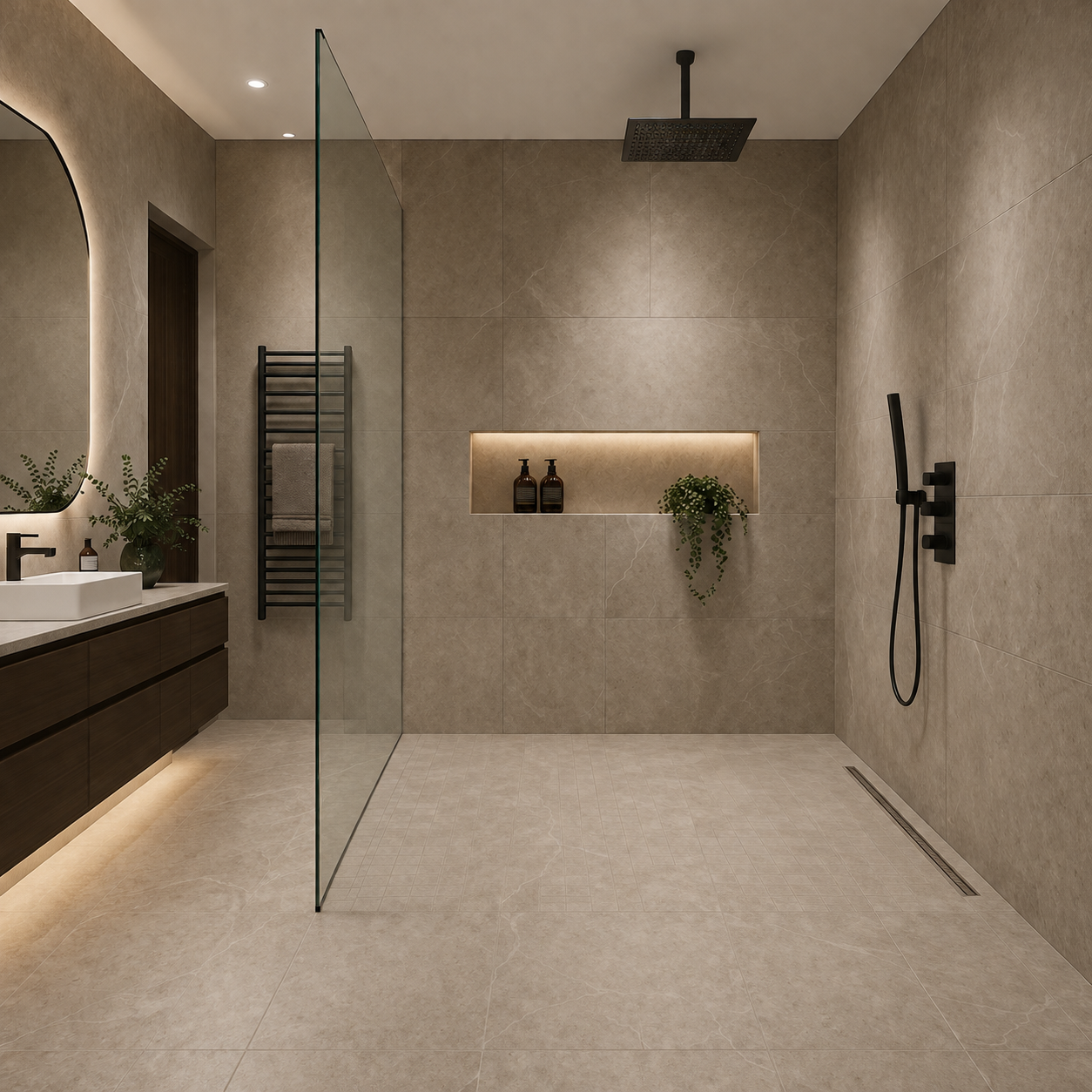
Seamless tiled wet room installation with walk in shower glass screen in a modern West Midlands home

Wet Room vs. Traditional Shower Enclosure: Which is Right for Your West Midlands Home?

When planning a bathroom renovation, one of the biggest layout decisions you will face is choosing between a walk-in wet room and a traditional shower enclosure. With property styles across the West Midlands ranging from Victorian and Edwardian terraces in areas like Harborne and Moseley to modern new-builds in Solihull and Sutton Coldfield, the right choice depends heavily on your property’s age, floor structure, and how long you plan to stay in your home. In this guide, we break down the key differences, true installation requirements, real costs, and pros and cons to help you make the right choice for your home. What is the Real Difference? Before diving into costs and installation, it helps to clear up a common misconception: a walk-in shower is not always a wet room. Traditional Shower Enclosure / Walk-in Shower: Uses an elevated or low-profile tray to catch water, surrounded by glass panels or a door. The floor underneath remains un-waterproofed. True Wet Room: The entire room (or a dedicated shower zone) is completely waterproofed (“tanked”). The shower floor is flush with the rest of the bathroom, sloping directly toward a structural drain set into the floor. 1. Installation Requirements & Structural Feasibility Timber Floors vs. Concrete Subfloors Older UK Homes (Timber Floor Joists): Many 1930s or Victorian homes across Birmingham have timber joist subfloors upstairs. Installing a wet room on timber requires laying a pre-formed sloping tray (former) and applying a liquid waterproofing membrane across the entire floor and lower walls. If done correctly by a professional plumber, it will never leak — but it requires skilled preparation. Ground Floor / Concrete Floors: If you are installing a wet room on a solid concrete floor, chasing out the concrete to set the correct fall/slope for the drain requires more structural work compared to simply sitting a low-profile tray on top. Pro Tip: In a small bathroom, a wet room removes the visual barrier of a shower tray, instantly making a compact space feel larger. 2. Cost Comparison in the West Midlands (2026 Averages) Because a wet room requires full tanking, specialized drainage, and extensive tiling, the initial labour and preparation costs are higher than a standard enclosure replacement. Feature Traditional Shower Enclosure True Wet Room Average Supply & Fit Cost £1,500 – £3,500 £3,500 – £6,500+ Installation Time 2 – 4 days 5 – 8 days Waterproofing Needed? Only around the shower area Full floor & lower walls (“Tanking”) Accessibility Step-in threshold (40mm–150mm) Completely level / zero-threshold 3. Pros and Cons at a Glance 🚿 Wet Room Advantages Future-Proof & Accessible: Level access makes wet rooms ideal for multigenerational living, older family members, or anyone with mobility needs. Maximises Small Spaces: Perfect for tight ensuite bathrooms or awkward layouts where a standard tray size won’t fit. High-End Luxury Appeal: Creates a seamless, spa-like aesthetic that buyers love in premium housing markets. Easier to Clean: Fewer chrome frames, door seals, and tracks where limescale and soap scum can build up. 🚿 Wet Room Disadvantages Higher Initial Investment: Tanking materials and specialized floor preparation add to upfront costs. Slippery Floor Risk: Requires non-slip tiles (minimum PTV 36+ rating) rather than high-gloss floor tiles. Overspray in Very Small Rooms: In bathrooms under 2m x 2m, water overspray can reach the toilet or towel rail unless a single glass screen is used. 4. Impact on House Value & Resale in the UK A common question homeowners ask us is: “Will converting my bathroom into a wet room hurt my home’s value?” Primary Family Bathrooms: If your property only has one main bathroom, removing a bathtub completely in favor of a open wet room can alienate families with young children. Keeping a bath in the main room and installing a wet room in an ensuite is usually the best strategy for resale value. Ensuites & Compact Bathrooms: Adding a wet room to an ensuite or replacing a cramped cubicle almost always increases buyer interest and property appeal. Which Should You Choose? Choose a Wet Room if: You have a small ensuite, want a luxurious seamless look, need level-access showering for the future, or are doing a complete strip-out renovation. Choose a Traditional Enclosure if: You are working within a tighter budget, want a quick 2-3 day upgrade, or prefer a defined dry zone in a larger family bathroom. Planning a Bathroom Upgrade in Birmingham or the West Midlands? Whether you need expert advice on waterproofing a timber floor or want a complete bathroom design and installation quote, BDS Services Ltd is here to help. 📞 Call us today on 07429776336 or drop us a message at info@bdsservicesltd.co.uk to arrange a local site survey and no-obligation estimate.

Wet Room vs. Traditional Shower Enclosure: Which is Right for Your West Midlands Home? Read Post »

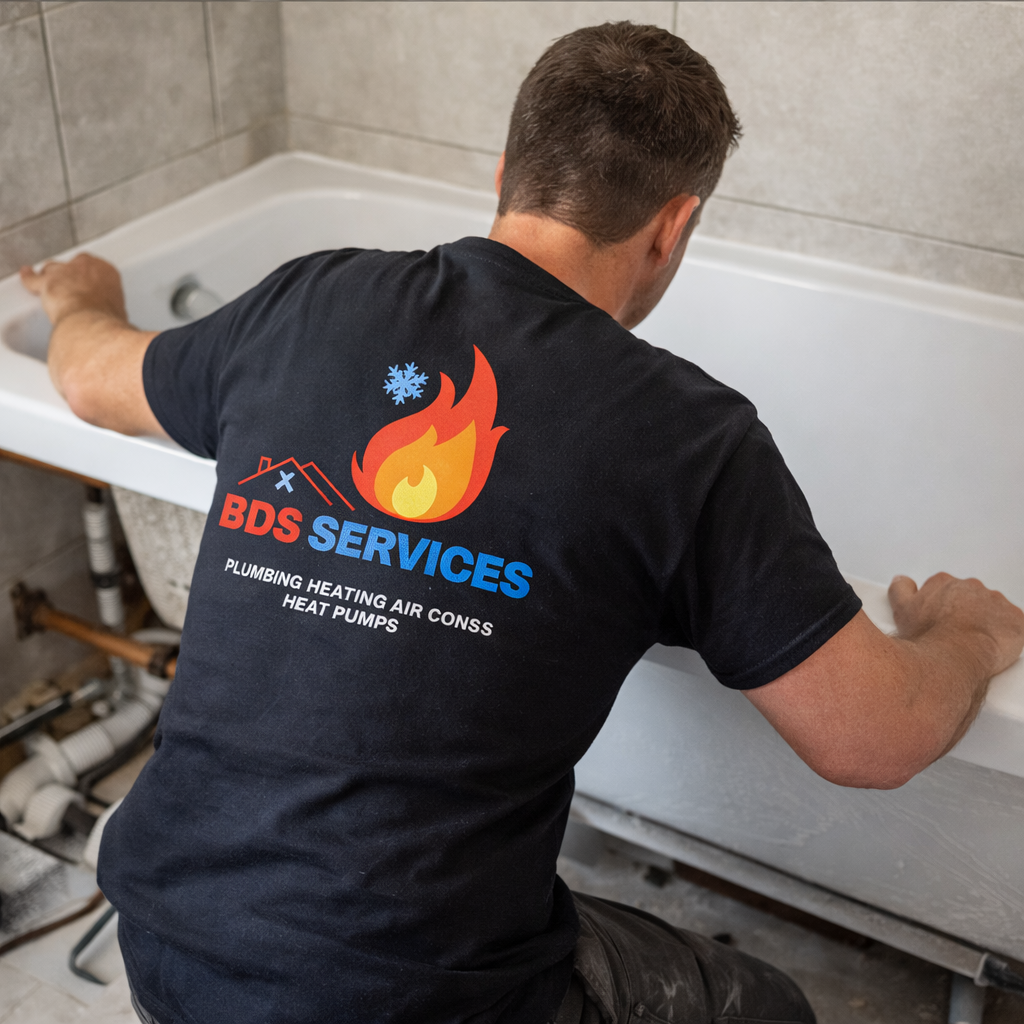
installation of bath tub

Bathtub Installation Cost Guide – Birmingham & West Midlands (2026)

Installing a new bathtub can completely transform your bathroom. However, before starting your project, it’s important to understand the real costs involved. Whether you are replacing an old bath or upgrading to a modern freestanding design, knowing the price range helps you plan properly and avoid surprises. In this 2026 guide, we explain bathtub installation costs in Birmingham and across the West Midlands. In addition, we break down labour costs, material prices, hidden expenses, and ways to save money. Average Bathtub Installation Cost in Birmingham The cost of installing a bathtub depends on several factors. For example, the type of bath, plumbing changes, and tiling work can all affect the final price. Here is a general guide for Birmingham and surrounding areas: Basic bathtub replacement: £500 – £1,200 Standard bath supply and installation: £700 – £1,500 Freestanding bathtub installation: £1,800 – £4,000+ Walk-in bath installation: £1,600 – £2,500+ Old bath removal and disposal: £75 – £200 Overall, most homeowners in the West Midlands spend between £800 and £1,500 for a standard bath installation. What Affects the Cost of Bathtub Installation? Several factors influence how much you will pay. Therefore, understanding these can help you budget more accurately. 1. Type of Bathtub The material and design make a big difference. Acrylic baths are the most affordable and lightweight. Steel baths are stronger but slightly more expensive. Cast iron baths are heavy and premium priced. Freestanding baths usually cost more due to plumbing adjustments. Walk-in baths are ideal for accessibility but require specialist fitting. As a result, choosing the right bath for your needs is essential. 2. Plumbing Adjustments If your new bathtub goes in the same place as the old one, the job will cost less. However, moving pipes or drains increases labour time and materials. For example, pipe relocation in Birmingham homes can add £250 – £900 depending on complexity. 3. Bathroom Condition Older properties across Birmingham, Wolverhampton, Walsall, and Dudley may require extra work. In some cases, floor repairs or wall preparation are necessary before installing the bath. Additionally, uneven flooring can require reinforcement, especially for heavy tubs. 4. Labour Costs in the West Midlands Labour prices vary depending on experience and demand. Typically, plumbers in Birmingham charge between £30 and £50 per hour. A simple bath replacement usually takes 3–5 hours. On the other hand, freestanding or walk-in installations may take a full day or longer. Bathtub Installation Cost Breakdown To help you understand the full picture, here’s a clearer breakdown: Bathtub Supply Costs Budget acrylic bath: £120 – £350 Steel bath: £250 – £800 Freestanding bath: £800 – £3,000+ Labour Costs Standard installation: £150 – £350 Complex installation: £400 – £800 Additional Costs to Consider New taps and waste fittings: £100 – £600 Tiling around bath: £20 – £50 per m² Waterproof membrane: £150 – £600 Removal of old bath: £75 – £200 Therefore, it’s always wise to request an itemised quote before agreeing to any work. How Long Does It Take to Install a Bathtub? Timeframes depend on the project size. Simple replacement: Half a day to 1 day Freestanding bath install: 1–2 days Walk-in bath or full upgrade: 2–3 days Furthermore, if tiling or flooring is required, the project may take longer. Cost Examples for Birmingham Homes To make things clearer, here are some realistic examples: Example 1 – Basic Replacement in Birmingham Acrylic bath: £200 Labour: £250 Removal & disposal: £100Total: Approx. £550 Example 2 – Mid-Range Installation in West Midlands Steel bath: £400 New taps: £250 Labour: £350 Minor tiling: £300Total: Approx. £1,300 Example 3 – Luxury Freestanding Bath Freestanding bath: £1,800 Premium taps: £500 Floor reinforcement: £700 Labour: £600Total: £3,600+ As you can see, the final cost depends heavily on your choices. How to Save Money on Bathtub Installation Although bathroom upgrades can be expensive, there are ways to reduce costs. First, keep the bath in the same location to avoid plumbing changes.Second, choose acrylic instead of cast iron if budget is important.Additionally, compare at least three quotes from local Birmingham plumbers.Finally, ask about off-season discounts or package deals. By planning carefully, you can reduce unnecessary expenses. Why Hire a Professional Plumber in Birmingham? While DIY projects may seem cheaper, bathtub installation requires proper plumbing and sealing. Poor installation can cause leaks, damp issues, and expensive repairs later. A professional installer will: Ensure correct pipe connections Properly seal joints and edges Check water pressure and drainage Dispose of old materials safely Provide workmanship guarantees Therefore, hiring a qualified plumber in the West Midlands gives you peace of mind. Areas We Cover in the West Midlands We provide bathtub installation services across: Birmingham Wolverhampton Coventry Walsall West Bromwich Dudley Stafford and surrounding areas Because we are local, we understand the common plumbing systems used in homes across the region. Final Thoughts – Bathtub Installation Cost in 2026 In summary, bathtub installation in Birmingham and the West Midlands typically costs between £500 and £4,000 depending on the type of bath and complexity of the job. Before starting your project, always request a detailed quote. Moreover, make sure labour, materials, and removal costs are clearly listed. If you’re planning a bathroom upgrade in 2026, getting professional advice early can save you time and money. In this guide, we break down everything you need to know — from average prices and labour costs to hidden charges, regional considerations, and tips for getting the best value from local tradespeople. 1. Average Bathtub Installation Costs in Birmingham & the West Midlands According to industry data, the cost to supply and install a bathtub in the UK can range widely based on type, size, and installation complexity. Bathtub Type Typical UK Cost (Supply & Install) Notes Acrylic bathtub £200 – £300+ Budget friendly and lightweight Steel bathtub £250 – £450+ Durable, slightly heavier Cast iron bathtub £1,250 – £1,650+ Luxury and long-lasting Natural stone bathtub £1,500 – £4,000+ Premium finish Walk-in bathtub £1,500 – £1,700+ Accessible & easy entry Removal & disposal £75+ Often overlooked in quotes Average

Bathtub Installation Cost Guide – Birmingham & West Midlands (2026) Read Post »

Shower installation

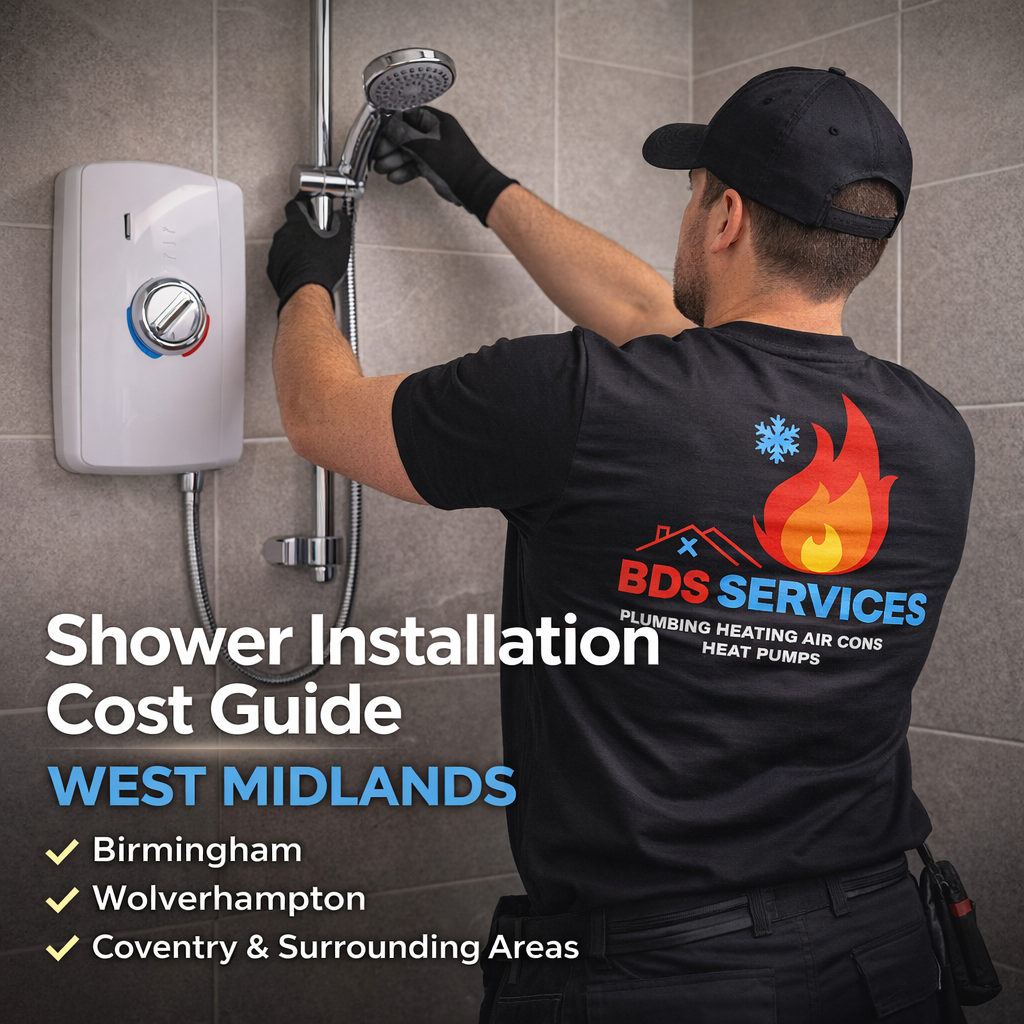
Shower Installation Cost Guide for the West Midlands — 2026

Whether you’re upgrading your current bathroom or installing a brand-new shower suite, understanding the cost of shower installation is one of the first steps in planning your project. In this detailed guide, we break down everything you need to know about shower installation costs in the West Midlands and surrounding areas, including typical prices, what affects the cost, how long jobs take, and tips to keep your budget under control. 1. How Much Does Shower Installation Cost in the West Midlands? Shower installation costs vary depending on the type of shower you choose, whether major plumbing or electrical work is required, and the scale of the project. Typical supply and installation costs across the West Midlands look like this: Type of Shower Work Typical Cost (West Midlands) Basic shower installation £600 – £1,500+ Standard supply & fit shower £1,050 – £1,960 Whole bathroom shower installation £1,300 – £1,800 Luxury/wet-room style shower £2,000 – £5,000+ 👉 Note: These figures include labour and basic materials in cities and towns such as Birmingham, Coventry, Wolverhampton, West Bromwich, Walsall, Dudley, Stafford, and beyond. Prices vary based on how complex the work is and the type of shower system chosen. 2. Typical Shower Installation Prices by Type Different shower types have differing price points, mainly driven by complexity and materials: Electric Showers Electric showers are often the most affordable option. They heat cold water instantly and don’t require a hot water supply from your boiler — a good fit for many homes. Typical cost: £250 – £600 Time to install: A few hours Mixer & Thermostatic Showers These connect to both hot and cold water and give better temperature control. Typical cost: £300 – £1,000 Time to install: 1–2 days Power Showers Add a pump to improve water pressure. Typical cost: £450 – £1,200 Best option for low-pressure systems Digital or Smart Showers More advanced systems with digital controls. Typical cost: £600 – £1,500+ Walk-In & Wet Room Showers These are top-end installations with full waterproofing and tiling. Typical cost: £1,200 – £5,000+ Ideal if you want a luxury, barrier-free shower experience 3. What’s Included in a Shower Installation A professional shower installation generally includes the following: Shower unit supply (electric, mixer, thermostatic, power, digital) Labour for installation Plumbing and connecting water lines Waste and drainage setup Electrical work (if needed) for electric or digital units Basic waterproofing and testing Unlike DIY installs, professional work ensures compliance with building & safety standards, especially where water and electricity are involved. 4. Extra Costs Homeowners Often Forget Here are some additional costs that can add up: Tiling and Waterproofing Quality tiling or wall panels around the shower area adds to costs — expect: Tiling: £20 – £50 per m² Waterproof membrane & sealing: £150 – £600 Shower Tray & Enclosure Even if the unit itself is affordable, the tray and glass can add: Tray: £100 – £400 Enclosure: £350 – £600+ Waste Removal Removal of old showers and debris: £30 – £100+ depending on volume Electrical Work Costs for adding circuits or extra power: £80 – £250+ depending on requirements 5. How Long Does Installation Take? Different jobs have different timeframes: Simple shower replacement: Half-day to 1 day Mixer or power shower: 1–2 days Luxury or walk-in shower: Up to 3–5 days (including waterproofing & tiling) 6. What Factors Affect the Cost? Several things can push the price up (or down): 1. Location of Pipes & Room Access If your existing pipework needs moving, costs rise. 2. Existing Bathroom Condition Old or damaged plumbing causes additional work. 3. Quality of Materials Premium shower units, glass panels, and tiles raise the total. 4. Labour Rates Tradespeople in busy urban areas may charge more. 5. Type of Installation New shower location vs like-for-like replacement matters. 7. Tips to Save Money on Your Shower Install Here’s how to make your budget go further: ✔ Replace in existing location — reduces plumbing changes✔ Choose wall panels over full tiling — cheaper and quicker✔ Provide your own shower unit — trades often charge a markup✔ Get multiple quotes — compare materials and warranties✔ Schedule work off-peak — some trades offer discounts seasonally 8. Why Professional Installers Are Worth It While it’s tempting to DIY, showers involve water + electrical connections + waterproofing — a risky combination. Hiring a qualified local plumber or bathroom installer ensures: Work completed safely and to building standards Proper waterproofing to prevent leaks & mould Faster turnaround and quality finish Professional work often includes a guarantee — giving peace of mind. 9. Planning Your Shower Installation in the West Midlands If you’re in Birmingham, Wolverhampton, Coventry, West Bromwich, Dudley, Walsall, Staffordshire, or surrounding towns, here’s a simple checklist to get started: Decide your shower type and preferred finish Choose tiles or waterproof panels Measure your shower space & note water/electric access Get at least 3 quotes from local tradespeople Agree on materials, timeline, and price before booking 10. Bottom Line – Shower Installation Costs Installation Type Typical Price Range Budget shower replace £600 – £1,000 Standard supply & install £1,050 – £1,960 Full shower overhaul £1,500 – £3,000+ Luxury finish / wet room £2,000 – £5,000+ These prices are realistic averages for the West Midlands and surrounding areas and help you budget effectively for your next bathroom upgrade.Call Today: 07429776336

Shower Installation Cost Guide for the West Midlands — 2026 Read Post »

toilet replacement cost

The Ultimate Guide to Toilet Installation Cost in Birmingham & West Midlands

Whether you’re renovating, replacing an old toilet, or planning a full bathroom upgrade, understanding toilet installation cost is essential for budgeting and choosing the right plumbing services. In Birmingham and across the West Midlands, prices vary based on labour rates, plumbing complexity, toilet types, and the expertise of the installer. This comprehensive guide will cover: Average costs in the West Midlands & Birmingham What affects toilet installation pricing How to find an affordable cost plumbing company Top 3 best plumbing services companies in West Midlands Helpful cost comparison tables Tips to keep your project budget-friendly Let’s dive in. Average Toilet Installation Cost in the UK Before we explore regional pricing, it’s helpful to understand the national landscape for toilet installation costs. According to UK plumbing cost guides: Typical toilet installation jobs range from £200 to £600 for standard installations. Factors such as fixture type, labour charges, and the need for extra plumbing can raise this figure. Different toilet styles significantly impact pricing — for example, wall-hung or hidden cistern toilets often cost more in installation than close-coupled models. Professional plumbers charge hourly rates which vary across regions; this includes labour and potential call-out fees. 💡 Pro tip: Installation often costs more than the toilet itself, especially when additional plumbing or relocation is required. Toilet Installation Cost in Birmingham In Birmingham, local fitters and plumbing experts report pricing that reflects both labour and materials: Average cost of toilet fitting around £235–£255 for typical installations. Labour costs form a large part of the total — around £215 — while materials and waste removal add smaller, predictable fees. This means that across Birmingham, a standard toilet installation is often quoted between £235 and £390, depending on the plumber and specific job requirements. That’s good news: compared to high-cost regions like London, Birmingham’s average plumber rates tend to be more affordable. Toilet Installation Cost in the West Midlands The West Midlands — including cities like Coventry, Wolverhampton, Walsall, and Solihull — shows similar pricing patterns: Average fitting costs can reach around £293 to £590 and even upwards of £825-£945 for more complex jobs. Labour, materials, and waste removal remain the same core components of the overall cost. So in the West Midlands overall, expect your toilet installation to range typically from £250 to £950, depending on complexity, materials, and local plumber rates. What Impacts Toilet Installation Cost? Understanding what drives cost can help you plan better and avoid surprise bills. 1. Toilet Type Matters Different toilets have very different installation requirements: Toilet Type Typical Installation Notes Close-coupled Most affordable and easiest to install. Wall-hung / Hidden Cistern Requires support frames and extra plumbing work. Low / High-level Cistern Classic designs; may increase complexity slightly. Specialty / Smart Toilets Higher components and possible electrical connections. Basic toilets are usually quickest and cheapest to install. In contrast, back-to-wall or specialized systems can take longer and require more labour — meaning a higher total cost. 2. Plumbing Complexity If your new toilet requires moving soil pipes, extending cold water feeds, or adjusting waste lines, expect additional labour. Plumbing modifications can significantly increase charges beyond straight replacements. 3. Removal of Old Fixtures Many plumbing professionals include old toilet removal as part of their service — but it can add an extra £50-£150 to your project if it’s not included. 4. Call-Out Fees In some cases, plumbers charge a call-out or inspection fee before offering a full quote. Always check whether this is included or separate. How Professional Plumbers Price Their Work Typical pricing elements include: Hourly rate: Most plumbers in the West Midlands and Birmingham charge around £40-£60+ per hour. Labour hours: Simple installations can take 2–4 hours; complex ones take more. Materials & waste costs: These are often itemised separately but usually lower than labour. The final price is always a combination of these three components. Top 3 Best Plumbing Services Companies in West Midlands Choosing a professional plumbing service can make all the difference — especially when cost, quality, and reliability are essential. Below are three trusted companies in the West Midlands that offer toilet installation and other plumbing solutions: 1. BDS Services Limited A local West Midlands plumbing expert offering affordable, high-quality installations and repairs. With a strong focus on customer satisfaction and timely service, BDS Services delivers professional workmanship at competitive rates. Internal link suggestion:👉 Best plumbing services in West Midlands → /plumbing-services-in-west-midlands 2. Elite West Midlands Plumbing & Heating Known for responsive service and transparent pricing, this company tackles toilet installation, replacements, and full bathroom plumbing. They emphasise trust and workmanship, helping homeowners get value for money. 3. Premier Plumbing Birmingham Serving the heart of Birmingham, Premier Plumbing Birmingham offers expert bathroom plumbing, installation, and maintenance services. Their reputation for professionalism and local experience makes them a popular choice for toilet fitting projects.👉 Plumbing and bathroom fitting experts → /bathroom-plumbing-birmingham Cost Saving Tips for Toilet Installation Here are practical ways to control your budget without compromising quality: ✅ Compare Multiple Quotes Always request quotes from multiple plumbers before deciding. This gives you price transparency and leverage. ✅ Provide the Toilet Yourself Buying the toilet separately (instead of having the plumber supply it) can save on markup costs. ✅ Time Your Project Avoid peak renovation seasons if possible — tradespeople are busiest in spring/summer, and prices can be higher. ✅ Ask About Guarantees Reputable plumbers often provide workmanship guarantees — giving extra peace of mind without extra cost. Example Cost Scenarios Scenario Typical Cost Range Simple toilet replacement £235–£390+ (Birmingham) Standard installation in West Midlands £250–£590+ Premium toilet with hidden cistern £500–£900+ varies With an experienced plumber, you can avoid common pitfalls and unexpected cost overruns. Final Thoughts Understanding toilet installation cost in Birmingham & the West Midlands helps you plan effectively for plumbing work — whether that’s a small bathroom update or a complete renovation. Typically, prices in the region remain more affordable compared to some UK cities, thanks to competitive labour rates and local markets. By comparing quotes, choosing reputable companies,

The Ultimate Guide to Toilet Installation Cost in Birmingham & West Midlands Read Post »

plumber labour cost in west midlands

How Much Does a Plumber Cost in the UK? (West Midlands Labour Price Guide)

If you’re planning plumbing work, one of the first questions you’ll ask is: How much does a plumber charge? Whether it’s a leaking tap, blocked toilet, radiator replacement or new pipe installation, understanding typical plumber labour costs helps you budget properly and avoid overpaying. At BDS Services Ltd, we provide professional plumbing services across the West Midlands, and this detailed guide explains realistic 2026 labour pricing so you know what to expect before booking. Average Plumber Labour Costs in the UK  Plumbing labour charges vary depending on experience, location, and job complexity. Below is a realistic guide based on current UK market pricing. Typical Labour Rates (2026) Service Type Average Cost Standard hourly rate £40 – £70 per hour Day rate (6–8 hours) £250 – £400 Minimum charge 1 hour Emergency call-out £90 – £150 Evening/weekend rate £70 – £120 per hour In the West Midlands, most reputable plumbers charge between £40–£65 per hour for standard weekday work. If you’re looking for transparent, competitive pricing, you can view our professional plumbing services in the West Midlands here: https://www.bdsservicesltd.co.uk/plumbing-services-west-midlands What Affects the Cost of Hiring a Local Plumber?  Not all plumbing quotes are equal. Several factors influence labour costs: Location London and South East prices are significantly higher than regional areas. In Birmingham, Wolverhampton, Dudley, and surrounding towns, rates are typically more affordable. Experience & Certification Qualified professionals with specialist credentials may charge slightly more. For example: Gas safety guidance: https://www.gassaferegister.co.uk F-Gas certification information: https://www.refcom.org.uk Higher skill levels often mean quicker diagnosis and fewer return visits — saving money long-term. Job Complexity A simple tap washer replacement takes less time than rerouting pipework or installing bathroom plumbing. Emergency Work Out-of-hours plumbing (nights/weekends) costs more due to urgent response and overtime rates. If you need urgent support, you can contact our team directly here: https://www.bdsservicesltd.co.uk/contact-us Typical Plumbing Job Prices (Labour Only)    Here’s what homeowners commonly pay for labour-only work: Plumbing Job Estimated Labour Cost Fix leaking tap £60 – £120 Replace toilet £150 – £250 Install new basin £150 – £300 Shower installation £250 – £500 Radiator replacement £150 – £350 Unblock toilet/drain £80 – £200 Stopcock replacement £120 – £250 Materials are usually charged separately unless included in a fixed quote. If your project also involves heating system work, you can explore our heating services here: https://www.bdsservicesltd.co.uk/heating-services Hourly Rate vs Fixed Quote – Which Is Better?   Hourly Pricing Works Best For: Small repairs Leak investigations Minor plumbing faults Fixed Quotes Are Better For: Bathroom installations Pipe rerouting Multi-day plumbing work At BDS Services Ltd, we often recommend fixed quotes for larger jobs because they provide full price clarity before work begins. Learn more about our company values and workmanship standards here: https://www.bdsservicesltd.co.uk/about-us Hidden Plumbing Costs to Watch For   Before agreeing to work, ask about: Call-out fees Minimum charges Parking costs (city centre jobs) VAT inclusion Waste disposal fees Parts mark-up A professional plumber should always provide transparent pricing. For general home water maintenance advice, you can visit:https://www.water.org.uk Plumbing Costs in the West Midlands – Local Insight    Because we operate locally, we understand common issues in West Midlands properties: Older Housing Stock Many homes have outdated pipework requiring extra labour time. Travel & Access Rural properties or restricted parking can affect time. Accessibility Issues Tight underfloor spaces or concealed pipework increase labour hours. If your project involves HVAC or cooling systems alongside plumbing, explore our HVAC installation services here: https://www.bdsservicesltd.co.uk/hvac-installation How to Reduce Your Plumbing Labour Costs   You can keep plumbing costs down by: Fixing small leaks early Booking weekday appointments Combining multiple small jobs into one visit Keeping your stopcock accessible Requesting written quotes Preventative maintenance is always cheaper than emergency repairs. Why Choose a Local West Midlands Plumbing Company?  Choosing a local company like BDS Services Ltd offers clear benefits: Faster response times Local reputation & accountability Competitive regional pricing Knowledge of common property types Transparent communication We focus on professional workmanship, compliance, and long-term solutions rather than quick temporary fixes. Final Cost Summary – What Should You Expect to Pay? For most homes in the West Midlands: Standard labour: £40–£65 per hour Day rate: £250–£400 Emergency call-out: £90+ Larger installations: Quoted per project While price matters, reliability, qualifications, and transparency matter more. If you need a trusted local plumbing company, contact us today: https://www.bdsservicesltd.co.uk/contact-us 07429776336

How Much Does a Plumber Cost in the UK? (West Midlands Labour Price Guide) Read Post »

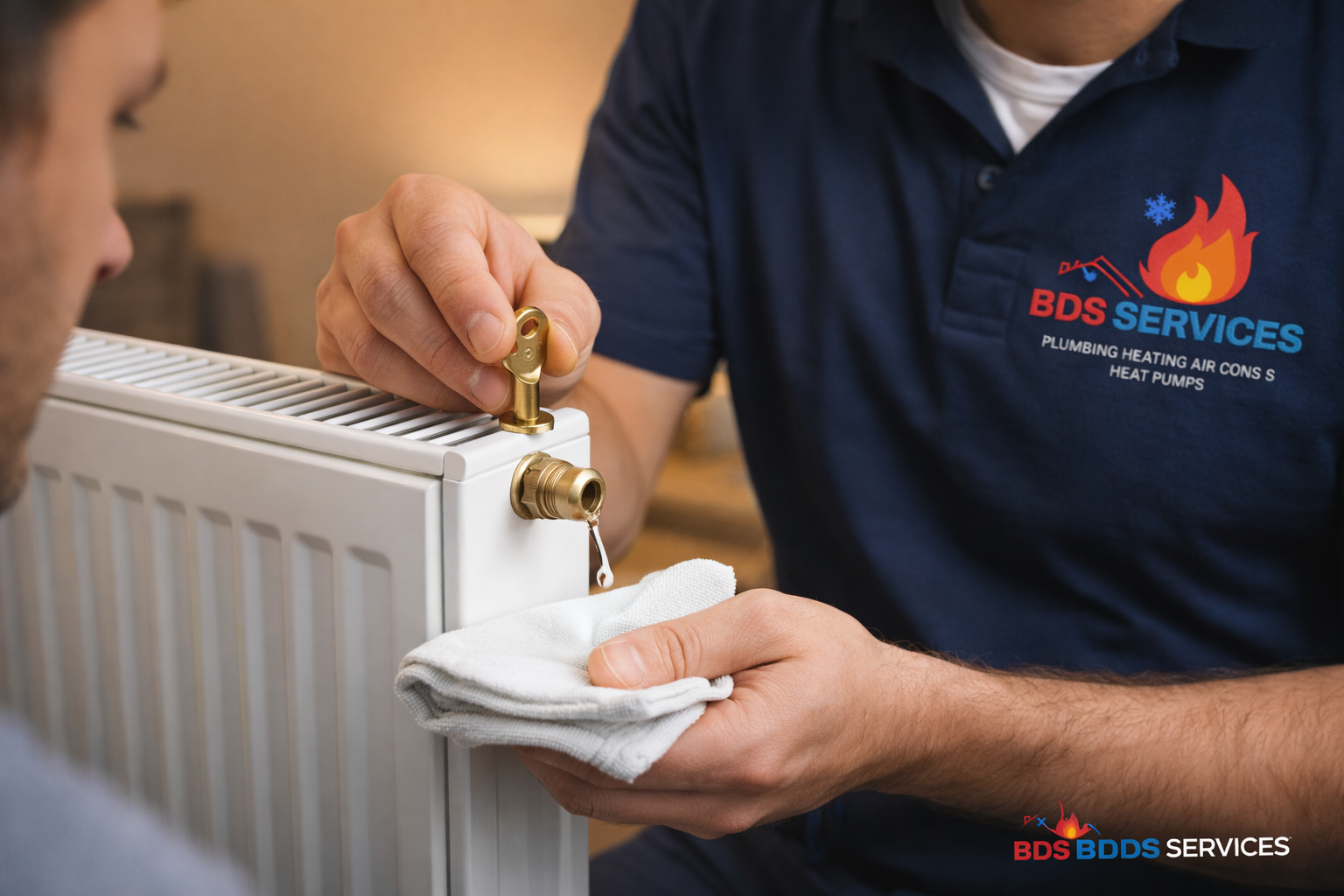
Radiator repair and bleeding

Radiator Problems? Upgrade & Repair Services in the West Midlands

If your radiators are not heating properly, you’re not alone. Inefficient or faulty radiators can increase energy bills, reduce comfort, and put extra strain on your boiler. At BDS Services Limited, we specialise in radiator repairs, upgrades, and full heating system improvements across the West Midlands — helping you achieve reliable, energy-efficient heating all year round. Common Radiator Problems We Fix 1️⃣ Radiator Cold at the Top, Warm at the Bottom This usually indicates air trapped inside the radiator. Bleeding may temporarily help, but if the issue keeps returning, it could point to circulation or system pressure problems. 2️⃣ Radiator Warm at the Top, Cold at the Bottom This is often caused by sludge and debris buildup inside the system. A powerflush or system clean may be required to restore efficiency. 3️⃣ Radiator Not Heating at All Possible causes include: Faulty thermostatic radiator valves (TRVs) Blocked pipework Pump issues Incorrect installation We diagnose and repair the root cause quickly and professionally. 4️⃣ Radiators Not Sized Correctly for the Room If a radiator is too small, your room will never heat efficiently — meaning higher energy bills and poor comfort. We calculate the correct BTU output required for your space and recommend the right upgrade. For official energy efficiency guidance, see the UK Government’s advice via👉 https://www.gov.uk/improve-energy-efficiency Radiator Upgrades – Type 11, Type 21 & Type 22 Explained Upgrading your radiator can dramatically improve heat output without increasing running costs. Type 11 (Single Panel + 1 Convector) – Slim profile, moderate heat output Type 21 (Double Panel + 1 Convector) – Higher heat performance Type 22 (Double Panel + 2 Convectors) – Maximum efficiency for larger rooms If your current radiator isn’t delivering enough heat, upgrading from Type 11 to Type 22 can significantly improve warmth and efficiency. Improve Efficiency by Upgrading Pipe Sizes Many older systems use 8mm or 10mm microbore pipework, which can restrict water flow. We can: Upgrade pipework to 15mm copper Improve circulation and heat distribution Reduce cold spots Enhance overall system efficiency Better flow = better heating performance. Full Heating System Upgrades Available If your entire heating system struggles to keep up, we can: Upgrade radiators throughout your property Replace outdated pipework Improve balancing and circulation Upgrade heating controls Optimise system efficiency Repair leaks within your heating system We tailor solutions to make your home warmer while helping reduce your heating bills. Radiator Replacement – Supply & Fit Service We provide: ✔ Supply and fit of new radiators✔ Safe removal and disposal of old units✔ Valve replacement and upgrades✔ Pipe alterations if required✔ Leak detection and repair Whether you need a single radiator replaced or a full property upgrade — we’ve got you covered. Annual Heating Service & Maintenance Regular servicing keeps your system efficient and prevents breakdowns. We can look after your: Annual heating system service Radiator health check System balancing Leak inspections Efficiency improvements Keeping your system maintained helps lower energy costs and extend lifespan. Why Choose BDS Services Limited? Experienced heating engineers Professional fault diagnosis Efficient, cost-effective upgrades Transparent pricing Reliable service across the West Midlands We focus on efficient heating that lowers your energy bills. Contact Us  If your radiators aren’t heating properly or you’re considering an upgrade, contact BDS Services Limited today. 👉 Visit: https://bdsservicesltd.co.uk📞 Book a heating assessment and improve your system efficiency today.

Radiator Problems? Upgrade & Repair Services in the West Midlands Read Post »

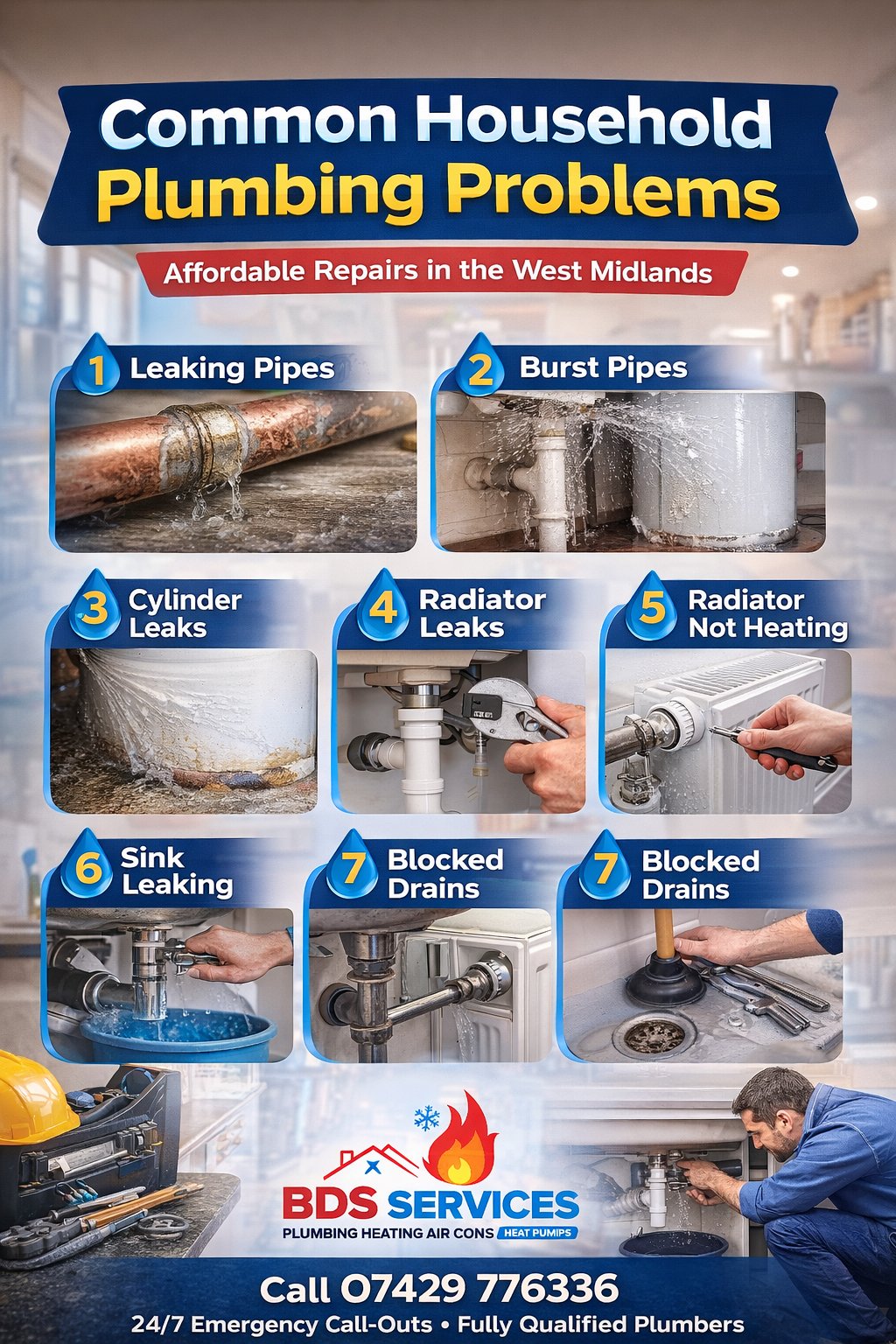
household plumbing problems West Midlands

Common Household Plumbing Problems in the West Midlands (And How to Fix Them)

Household plumbing problems in West Midlands homes can happen unexpectedly — from leaking pipes to radiators not heating properly. Timely repairs can prevent costly damage and keep systems running smoothly. At BDS Services Ltd, we help homeowners across the West Midlands diagnose and fix plumbing faults quickly and professionally. Below are the most common house plumbing problems we regularly repair. 1. Leaking Pipes in Walls or Under Floors Hidden pipe leaks are one of the most serious plumbing issues in UK homes. Signs You May Have a Pipe Leak: Damp patches on ceilings or walls Musty smells or mould growth Low water pressure Unexplained increase in water bills Even a small leak can cause structural damage over time. What Causes Pipe Leaks? Corrosion in older pipework High water pressure Loose joints or poor installation Frozen pipes cracking during winter If you suspect a leak, turn off your main water supply and call a professional plumber immediately. We provide expert leaking pipe detection and repair across the West Midlands. 2. Burst Pipes – Plumbing Emergency A burst pipe can flood your property within minutes and cause major damage. Common Causes: Frozen water expanding inside pipes Old or weakened pipe material Blockages creating pressure build-up What To Do If a Pipe Bursts: Turn off the main stopcock immediately Switch off electrics near the affected area Drain the system by running taps Call an emergency plumber We offer fast response plumbing repairs to prevent further damage. 3. Hot Water Cylinder Leaks If you have a traditional hot water cylinder system, leaks can develop around: Pressure relief valves Pipe connections The base of the cylinder Corroded internal tank Warning Signs: Water pooling around the cylinder Inconsistent hot water Rust marks near fittings Cylinder leaks should be inspected quickly to avoid long-term damage. 4. Radiator Leaks Leaking radiators are common, especially in older heating systems. Typical Leak Points: Radiator valves Pipe joints Corroded panels Small drips may seem harmless, but they can cause flooring damage and reduce heating efficiency. If your radiator is leaking, it may need: Valve replacement Joint resealing System pressure adjustment Radiator replacement 5. Radiator Not Heating Properly Is your radiator cold at the top or completely cold while others work fine? Possible Causes: Air trapped inside (needs bleeding) Sludge build-up blocking flow Unbalanced heating system Faulty radiator valve Bleeding may solve minor issues, but persistent heating problems often require professional system diagnosis. We help restore full heating performance efficiently. 6. Leaking Sink or Waste Pipe A leaking sink can waste water and damage kitchen cabinets. Common Causes: Worn washers Loose trap connections Cracked waste pipes Damaged tap cartridges If you notice water under your sink, don’t ignore it — long-term leaks cause wood rot and mould. We repair kitchen and bathroom sink leaks quickly and professionally. When Should You Call a Professional Plumber? Call a qualified plumber if: Water is leaking from ceilings or walls Pipes have burst Your heating system isn’t working You can’t identify the source of a leak Water damage is spreading Attempting major plumbing repairs without proper tools can make the problem worse. Why Choose BDS Services Ltd in the West Midlands? Reliable local plumbing service Fast response times Experienced and professional workmanship Transparent pricing Residential plumbing specialists We cover all areas across the West Midlands and surrounding regions. Call us today on 07429 776336 Serving homes across the West Midlands Frequently Asked Questions How do I know if I have a hidden pipe leak? Look for damp smells, wall staining, mould growth, or rising water bills. A professional plumber can perform leak detection if unsure. What causes radiators to stop heating? Airlocks, sludge build-up, or faulty valves are common reasons radiators fail to heat properly. Is a leaking radiator dangerous? Yes. It can cause water damage and reduce heating efficiency. Leaks should be repaired quickly. Can a small pipe leak become serious? Absolutely. Even small drips can cause structural damage, mould growth, and higher water bills over time.

Common Household Plumbing Problems in the West Midlands (And How to Fix Them) Read Post »

Shopping Basket
Scroll to Top