air conditioning service

Air Conditioner Leaking Water Indoors

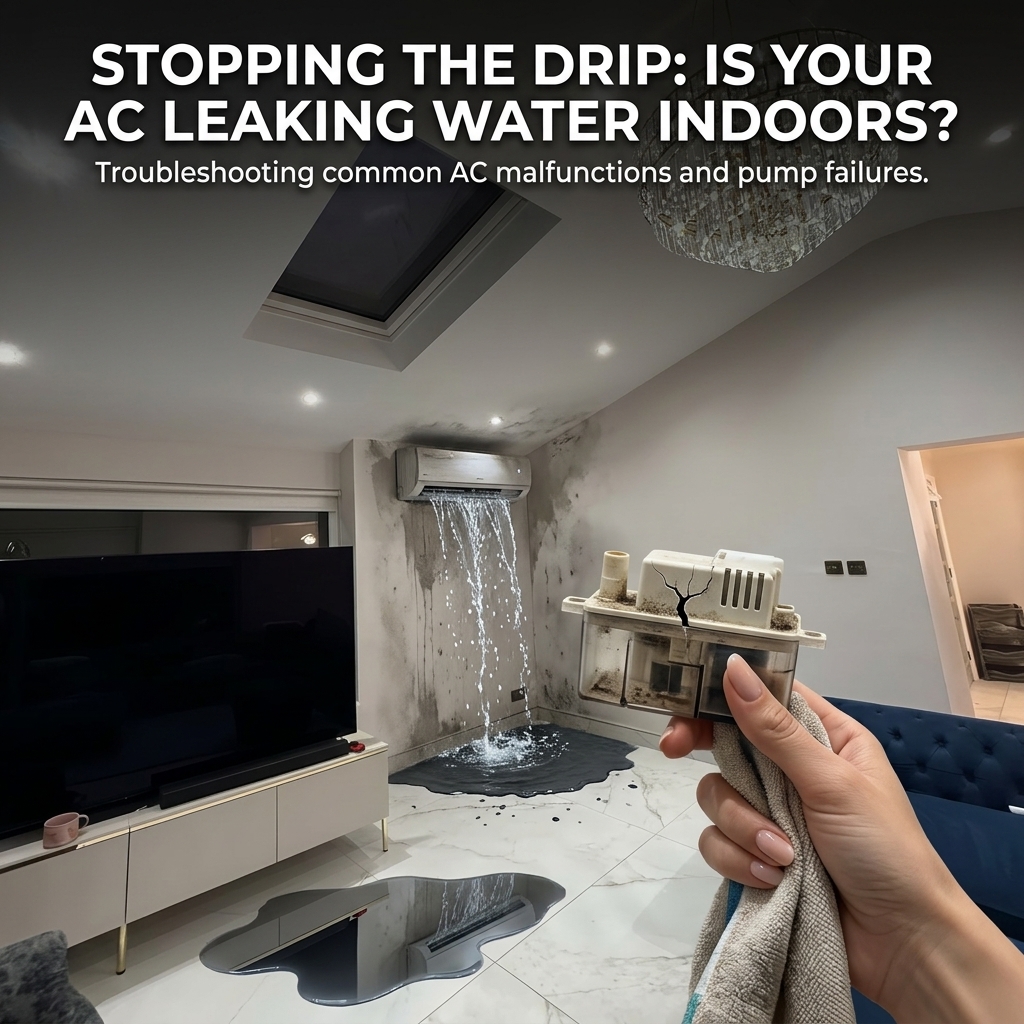
Why Is My Wall-Mounted Air Conditioner Dripping Water Inside?

Finding water dripping down your interior wall or pooling beneath your air conditioning unit is one of the most frustrating issues a UK homeowner can face. While it might look like a major plumbing catastrophe, water leaks are usually caused by a simple malfunction in how the system manages collected moisture. When your system cools your room, it extracts humidity from the air. That moisture condenses on the indoor cooling coil and drips into a drain pan. Under normal conditions, this water flows harmlessly outside or into an internal waste pipe. When something disrupts that flow, you get a leak indoors. Below are the primary causes of an air conditioner leaking water indoors in the UK and what needs to be done to fix it. The Main Causes of Indoor Air Conditioner Leaks 1. A Blocked Condensate Drain Line The most common culprit behind indoor leaks is a clogged condensate drain line. Over time, algae, dust, mold, and airborne debris collect inside the narrow drain pipe. The Problem: Once the line blocks, water backs up into the internal drip tray until it overflows out of the bottom of the wall unit. The Fix: An engineer uses a specialized suction pump or high-pressure nitrogen flush to clear the blockage and sanitizes the drain pan to prevent future bacterial growth. Routine air conditioning maintenance in the West Midlands prevents these blockages before they happen. 2. A Faulty or Noisy Condensate Pump In many UK homes—especially where the outdoor unit is mounted far from the indoor head—a small motorized condensate pump is installed behind or alongside the unit to lift water up and out. The Problem: If the pump’s internal float switch fails, or if the motor burns out, water can no longer be pumped away. You will often hear a continuous buzzing or rattling condensate pump noise right before the unit starts leaking. The Fix: Inspecting the pump float mechanism for debris or replacing the mini pump entirely if the motor has failed. If you suspect a mechanical failure, book a professional air conditioning repair to inspect the pump safety switch. 3. Frozen Evaporator Coils If you notice ice forming on the indoor coils or see water gushing out when the system is turned off, your unit is likely freezing up. Common Causes of Frozen Coils Dirty Air Filters: Restricts airflow, causing the coil temperature to drop below freezing point. Ice builds up and overflows the pan as it melts. Low Refrigerant: A leak in the copper pipework lowers internal pressure, freezing the remaining moisture on the coil instantly. According to the UK Government F-Gas Guidance, any work involving refrigerant leaks must be handled by an F-Gas certified technician. 4. Poor System Installation If your air conditioner has leaked since the day it was installed, the issue is likely structural: Improper Pitch: Wall units must be mounted level (or with a microscopic tilt toward the drain outlet) so gravity can pull water into the tray. Uninsulated Pipework: Uninsulated copper refrigerant lines will sweat, dropping condensation directly through your ceiling or plasterboard. Professional domestic air conditioning installation ensures correct line insulation and pitch from day one. Need Professional Air Conditioning Repairs in the West Midlands? If your wall-mounted air conditioner is leaking or making unusual pump noises, turn the unit off at the isolator switch immediately to prevent water damage to your walls and flooring. BDS Services Ltd provides fast, reliable maintenance and emergency repairs across Birmingham and the West Midlands. Contact our team today on 07429776336 or visit our contact page to book an engineer.

Why Is My Wall-Mounted Air Conditioner Dripping Water Inside? Read Post »

A modern bedroom wall-mounted split system installed above a bed, showing why you can leave air conditioning on overnight quietly compared to a bulky portable unit.

Can You Leave Your Air Conditioning on Overnight in the UK?

There is nothing quite like the misery of a humid British summer night. You open the windows hoping for a cool breeze, but instead, you get a room full of moths, traffic noise, and sticky, stagnant air. As domestic air conditioning becomes increasingly popular across the West Midlands and the wider UK, more homeowners are asking one crucial question before they head to bed: Can you safely leave your air conditioning on overnight? The short answer is yes, absolutely. In fact, modern split-system air conditioning is specifically designed to run continuously and quietly to give you the perfect night’s sleep. However, there are a few common myths about health, running costs, and settings that you need to know first. Let’s break down the facts so you can sleep soundly tonight. Myth 1: “Sleeping with the AC on will give you a cold” We’ve all heard this one from a well-meaning relative, but scientifically speaking, it’s a total myth. Air conditioning units circulate and filter the air; they do not manufacture viruses. You cannot catch a cold or the flu simply from sleeping in a cool room. That being said, if a system isn’t set up correctly, it can cause minor discomfort: Dry throats and noses: Air conditioners naturally extract humidity from the air as they cool. If the room gets too dry, it can dry out your nasal passages, making you feel a bit stuffy or scratchy-throated in the morning. Stiff necks: If the indoor unit is installed directly opposite your bed and blows chilled air straight onto your face or neck all night, your muscles may tense up. The Expert Solution: Ensure your unit is installed by professionals who understand correct airflow positioning. Modern systems also feature intelligent louvres that can direct air up and away from the bed, creating a gentle, indirect cooling effect. Myth 2: “It will destroy my electricity bills” With UK energy prices top of mind for everyone, the fear of a massive utility bill keeps plenty of people up at night. Fortunately, leaving your AC on overnight is far cheaper than you might think. Modern wall-mounted units utilize inverter technology. Unlike older systems that constantly click on and off at maximum power, an inverter unit slows down once the room reaches your target temperature. It simply “ticks over” on low power to maintain the climate. According to data on standard UK energy tariffs, running a modern, energy-efficient 2.5kW bedroom air conditioner overnight (for roughly 8 hours) typically costs between 20p and 50p per night. When you compare that minor cost to the price of a completely ruined night of tossing and turning, investing a few pennies into high-quality sleep is a no-brainer. To keep your system running at peak efficiency and lowest cost, just ensure you keep up with your regular professional AC servicing. The Secret Weapon: Using “Sleep Mode” If you are going to leave your air conditioning on overnight, don’t just leave it on standard daytime cooling settings. Most premium brands—like Daikin and Mitsubishi Heavy Industries—come equipped with a dedicated Sleep Mode button on the remote. How Sleep Mode Works Overnight: [Bedtime: 19°C] ➔ [After 1 Hour: 20°C] ➔ [After 2 Hours: 21°C] ➔ [Maintained until morning] When you activate Sleep Mode, the system intelligently adapts to your biology. As you fall into a deep sleep, your core body temperature naturally drops. Sleep Mode matches this by gently raising the room temperature by 1°C or 2°C over the course of a couple of hours. This prevents you from waking up shivering at 3:00 AM, saves a significant amount of electricity, and drops the indoor fan speed down to an ultra-quiet whisper (often as low as 19 decibels, which is quieter than a library!). Extra Benefits of Overnight AC (That Aren’t Just Cooling) If you struggle with seasonal allergies or live near a busy West Midlands road, running your AC at night offers two massive hidden bonuses: Hay Fever Relief: Keeping your windows firmly shut stops pollen, dust, and pollution from entering your bedroom. The advanced multi-stage filters inside a modern split system actively scrub the air while you sleep. The Sleep Foundation notes that maintaining a cool, well-filtered room between 15°C and 20°C is actually the optimal environment for deep, restorative sleep. Total Security and Quiet: You don’t have to leave downstairs or bedroom windows open a crack, keeping your home perfectly secure from intruders and blocking out neighborhood noise. The Verdict: Go Ahead and Leave It On Leaving your domestic air conditioning running overnight is safe, incredibly quiet, healthy for allergy sufferers, and costs less than a loose change coins per night. If your current bedroom setup isn’t delivering the perfect night’s sleep, or if your system is making strange noises keeping you awake, it might be time for a professional check. Check out our guide on why your air conditioning might not be cooling properly, or get in touch with the team at BDS Services Ltd today to discuss installing an ultra-quiet, energy-efficient cooling system tailored for your home.

Can You Leave Your Air Conditioning on Overnight in the UK? Read Post »

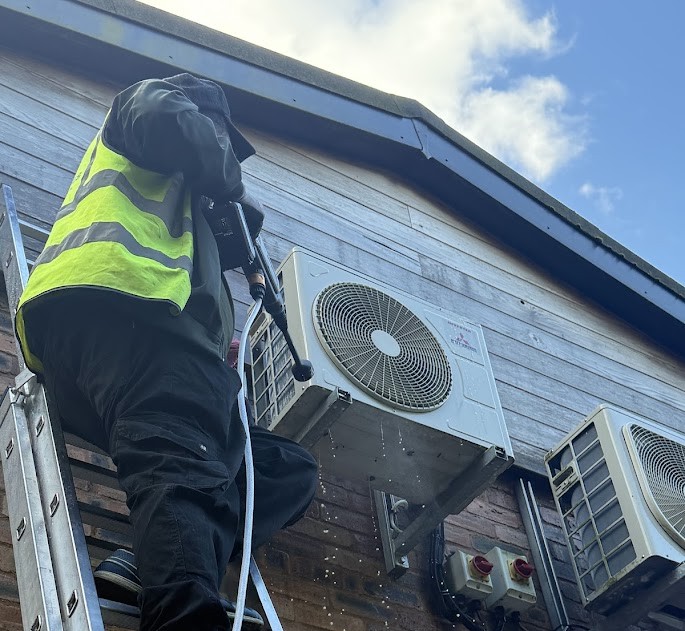
Engineer servicing outdoor air conditioning unit during annual maintenance

How Often Should AC Be Serviced in the UK? (2026 Guide for Homeowners)

With UK summers getting hotter, air conditioning is becoming essential in homes across the West Midlands. But once installed, many homeowners ask: “How often should AC be serviced?” Regular servicing keeps your system efficient, extends its lifespan, improves air quality, and helps avoid expensive repairs. In this guide, we’ll cover recommended frequencies, legal requirements, benefits, and what a professional service includes. How Often Should You Service Your Air Conditioning in the UK? For most domestic (home) systems, the general recommendation is once per year. Best time: Spring (March–May), before the summer heat kicks in. Some experts recommend twice a year (spring + autumn) for heavily used systems or homes with pets/allergies. Commercial or high-use systems (offices, shops, restaurants) often need servicing every 3–6 months. Quick Reference Table System Type Recommended Servicing Frequency Notes Domestic Split Systems Every 12 months Ideal before summer Heavy Domestic Use Every 6 months Pets, allergies, high usage Commercial/Office Every 3–6 months Higher regulations Large Systems (>12kW) Annual + TM44 inspections Legal requirement    Legal Requirements in the UK (F-Gas & TM44) F-Gas Regulations: Systems containing refrigerant must be checked regularly by certified engineers. TM44 Inspections: All air conditioning systems over 12kW must be inspected at least every 5 years. Important: Only use F-Gas certified engineers (like our team at BDS Services Ltd) to stay compliant and protect your warranty. Benefits of Regular AC Servicing Lower Energy Bills — A clean system can be 10-20% more efficient. Fewer Breakdowns:- Early detection prevents costly repairs. Longer System Lifespan — Well-maintained units last 10–15+ years. Better Indoor Air Quality — Removes dust, mould, and allergens. Warranty Protection — Most manufacturers require annual servicing. What Does a Professional AC Service Include? A thorough service typically covers: Cleaning indoor & outdoor units Checking refrigerant levels and leaks Inspecting electrical connections Cleaning or replacing filters Testing controls and drainage At BDS Services Ltd, our F-Gas certified engineers provide detailed reports with every service. Signs Your AC Needs Servicing Sooner Weak airflow or uneven cooling Strange noises or smells Higher energy bills Water leaks or short cycling Why Choose Local West Midlands Experts? BDS Services Ltd is a family-run, F-Gas certified company specialising in professional air conditioning installation, servicing, and repairs across Birmingham, Solihull, Dudley, and the West Midlands. View our full range of Air Conditioning Services Book AC Maintenance in Birmingham & West Midlands Conclusion & Call to Action Servicing your air conditioning at least once a year is the best way to ensure efficiency, reliability, and compliance in the UK. Ready to book your AC service? Contact BDS Services Ltd today for a free quote on servicing or maintenance. 07429 776336 info@bdsservicesltd.co.uk Get Your Free Quote →

How Often Should AC Be Serviced in the UK? (2026 Guide for Homeowners) Read Post »

Shopping Basket
Scroll to Top